
How to Make Barista Quality Coffee at Home
There is nothing quite like stepping into your favourite local coffee shop and smelling that rich, freshly ground espresso. But you do not need an expensive commercial setup or years of barista training to enjoy exceptional coffee in your own kitchen.
By mastering a few fundamental techniques and using high-quality beans, you can elevate your morning brew from ordinary to extraordinary.
The Barista Essentials(Quick Summary)
To make barista-quality coffee at home, focus on four key fundamentals:
- Freshly Roasted Beans: Choose high-quality, freshly ground Arabica or blended beans matched to your brew method.
- Optimal Water Temperature: Heat your water to 90°C–96°C (bring to a boil, then rest for 1 minute).
- Precise Brew Ratios: Aim for a coffee to water ratio of roughly 1:15 to 1:16 (around 15g–18g of ground coffee per 250ml cup).
- Correct Grind Size: Match coarse grinds to cafetières, medium to pour-over/filter, and fine to espresso machines.
1. Start with Freshly Roasted Coffee Beans
The foundation of any great cup of coffee is the bean itself. Pre-ground, commodity coffee sitting on supermarket shelves for months often loses its delicate aromas and natural oils.
For the best flavour profile, look for freshly roasted beans. Whether you prefer a bright, fruity single-origin roast or a smooth blend with chocolatey undertones, fresh quality beans make all the difference.
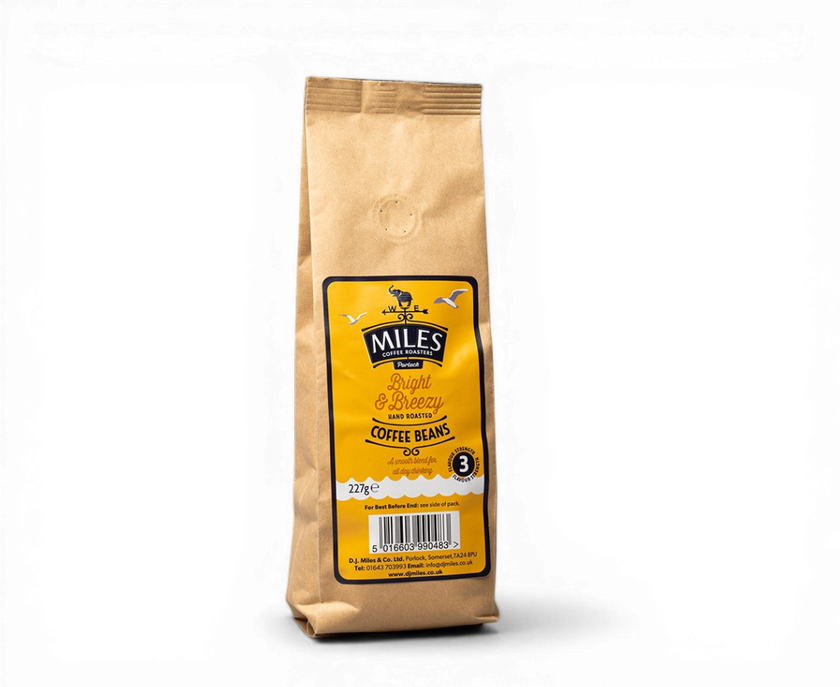
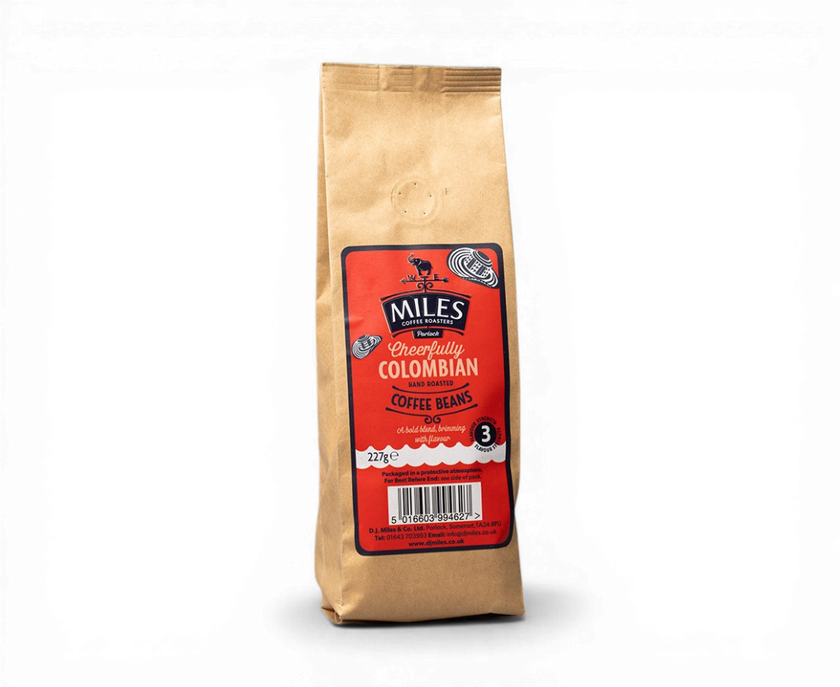
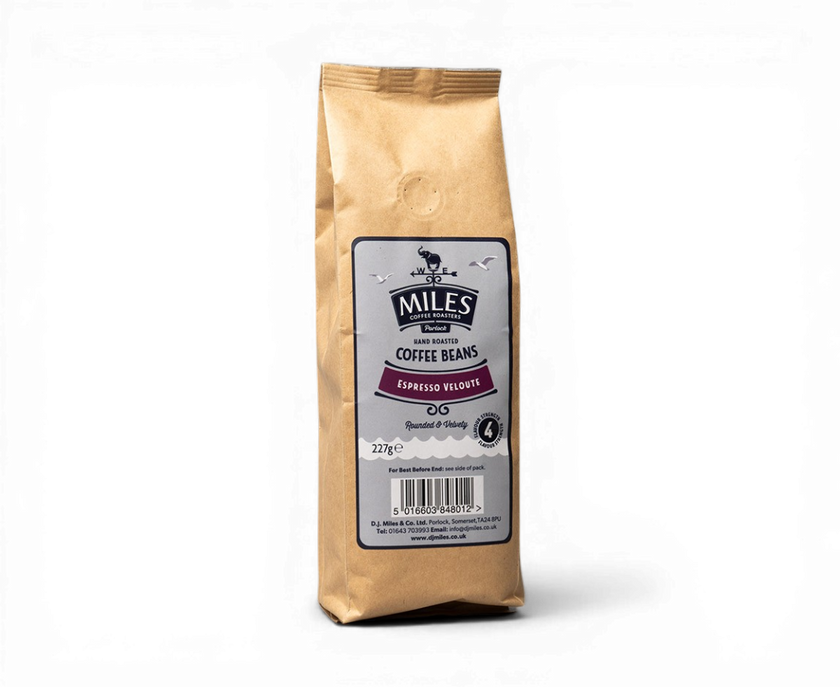
Our Top Selling Coffee Beans
2. How to Choose the Right Coffee Grind Size
Using the wrong grind size is the primary reason home-brewed coffee tastes bitter or weak. The contact time between water and coffee grounds dictates how fine or coarse your grind should be:
- Coarse Grind (Rough Sea Salt Texture): Ideal for a Cafetière (French Press) or cold brew. Large particles prevent over-extraction during long steep times (4+ minutes).
- Medium Grind (Granulated Sugar Texture): Perfect for Filter, Drip, and Pour-Over methods. Balances extraction time with steady water flow.
- Fine Grind (Table Salt Texture): Essential for Espresso Machines and Stove-top Moka Pots. High pressure requires a fine grind to extract deep flavour in 25–30 seconds.
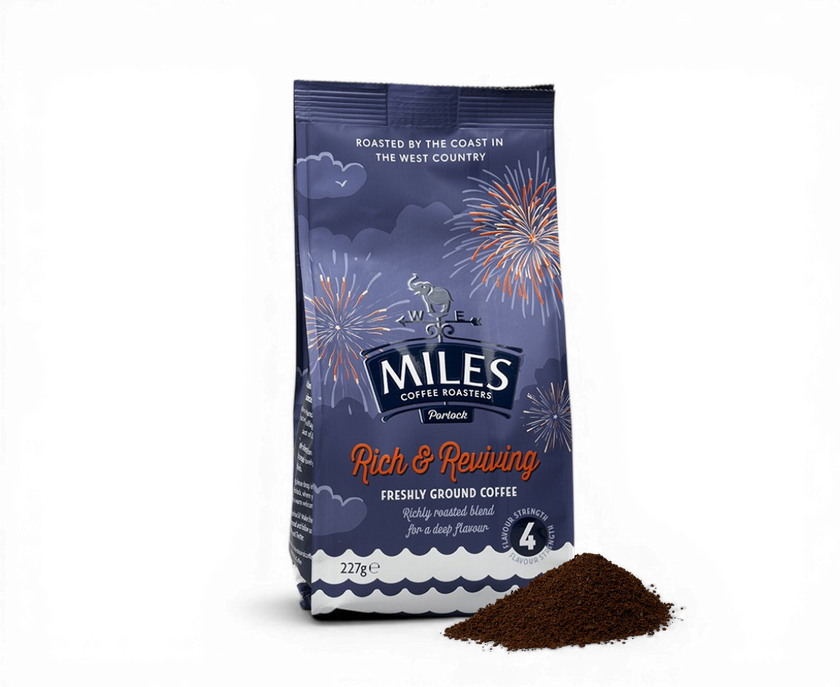
Our Top Selling Pre-Ground Coffees

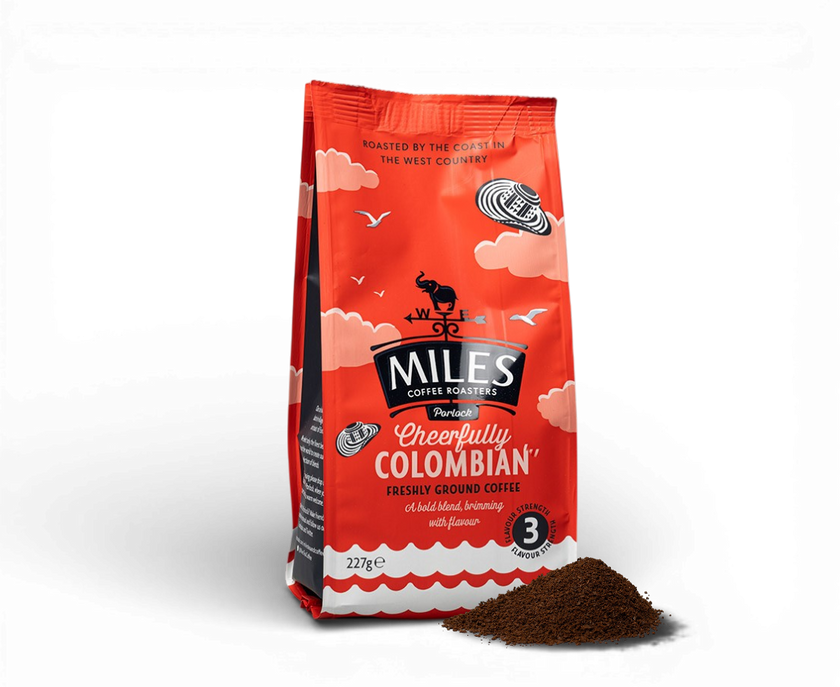
Barista Troubleshooting Tip: If your coffee tastes sharp or sour, it is under-extracted (try a finer grind). If it tastes unpleasantly bitter or dry, it is over-extracted (try a coarser grind).
3. What Is the Ideal Water Temperature for Brewing Coffee?

4. How to Make French Press Coffee Step-by-Step
The classic cafetière is one of the easiest ways to brew rich, full-bodied coffee at home without expensive machinery. Use this simple guide to achieve the best coffee-to-water ratio for French press brewing:
- Warm the Pot: Swirl a little hot water inside your cafetière to pre-heat it, then pour it out.
- Add Your Grounds: Add 15g to 18g (approx. 1 rounded tablespoon) of coarse ground coffee per 250ml mug.
- The "Bloom": Pour just enough 93°C water to submerge the grounds and let it sit for 30 seconds. The coffee will swell and release trapped gases to unlock extra flavour.
- Fill and Steep: Pour in the remaining water, give it a gentle stir with a wooden spoon, and place the lid on top without plunging.
- Wait and Plunge: Let it steep for 4 minutes. Slowly push the plunger down with steady pressure, pour immediately, and enjoy!


